01
The Environment
Moon-like terrain with obstacles and difficult surfaces, not a predictable laboratory floor.


Let’s Build a Space Robot
Our first IRoC-U journey began with a lunar-inspired rover built to navigate challenging terrain, understand its surroundings and perform robotic sample-handling tasks.
IRoC-U 2024 asked student teams to design and realise a wheeled or legged rover for an extraterrestrial-inspired arena. The challenge combined complete hardware and software development with tasks based on real space-robotics problems.
Moon-like terrain with obstacles and difficult surfaces, not a predictable laboratory floor.
Combine mobility, perception and manipulation so exploration is more than driving from A to B.
Real space-robotics problems, from navigating the arena to handling samples.
We saw the rover as a complete explorer, not just a vehicle.
The engineering challenge was connecting mobility, sensing, autonomous decision-making and robotic manipulation into one dependable system.
GURUtva brought together terrain mobility, environmental perception, autonomous navigation, robotic manipulation and mission control. Here we share the public-facing architecture rather than internal implementation details.
An all-terrain mobility system built around controlled travel and turning on challenging, lunar-like surfaces.
Depth and visual information helped the rover recognise obstacles and the terrain around it.
Navigation and onboard processing combined to support movement through unfamiliar terrain.
A robotic arm extended the rover from a mobility platform into a task-performing explorer.
The mission concept included collecting samples and placing them securely for the next stage.
Hardware and software were developed together so the rover worked as one coordinated system.
The 2024 journey moved through proposal, design, hardware demonstrations, live evaluation and the final field challenge in Bengaluru.
Concept and solution direction.
Hardware & rover demonstrations.
Live video demonstration.
Final arena in Bengaluru.
Winners announced on 23 Aug.
Rather than treating each capability as an isolated feature, the concept connected mobility, perception and manipulation into a single exploration platform.
GURUtva highlights autonomous navigation and the ability to traverse moon-like terrain with precision and reliability.
The robotic arm supported sample collection and secure placement, giving the rover a role beyond transportation.
A space robot is never just a robot.
GURUtva became a multidisciplinary engineering exercise where every discipline had to converge into one machine.
Team Titans secured the 1st Prize with the cash prize of 10,00,000 /- in the IRoC-U 2024 final field round with GURUtva.
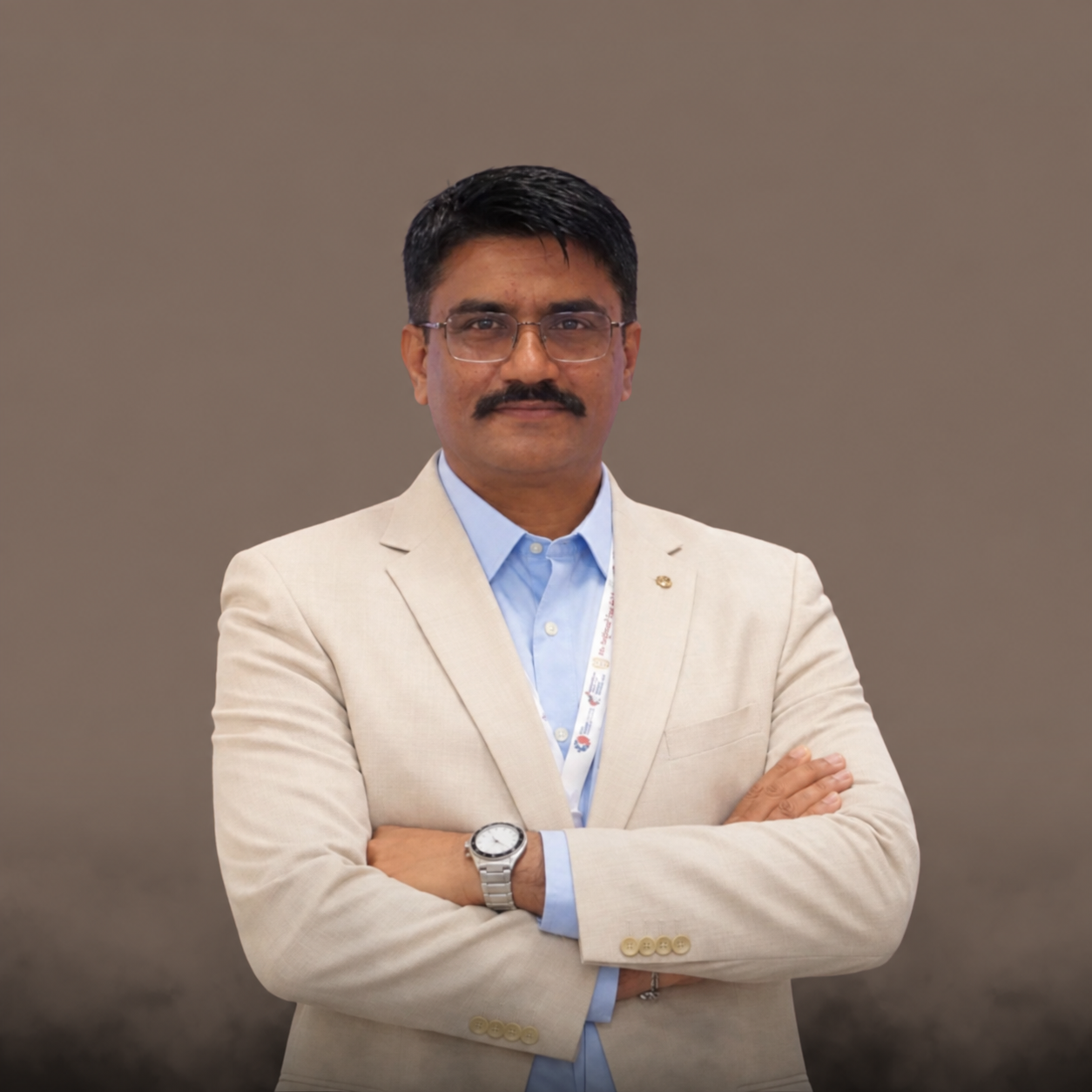
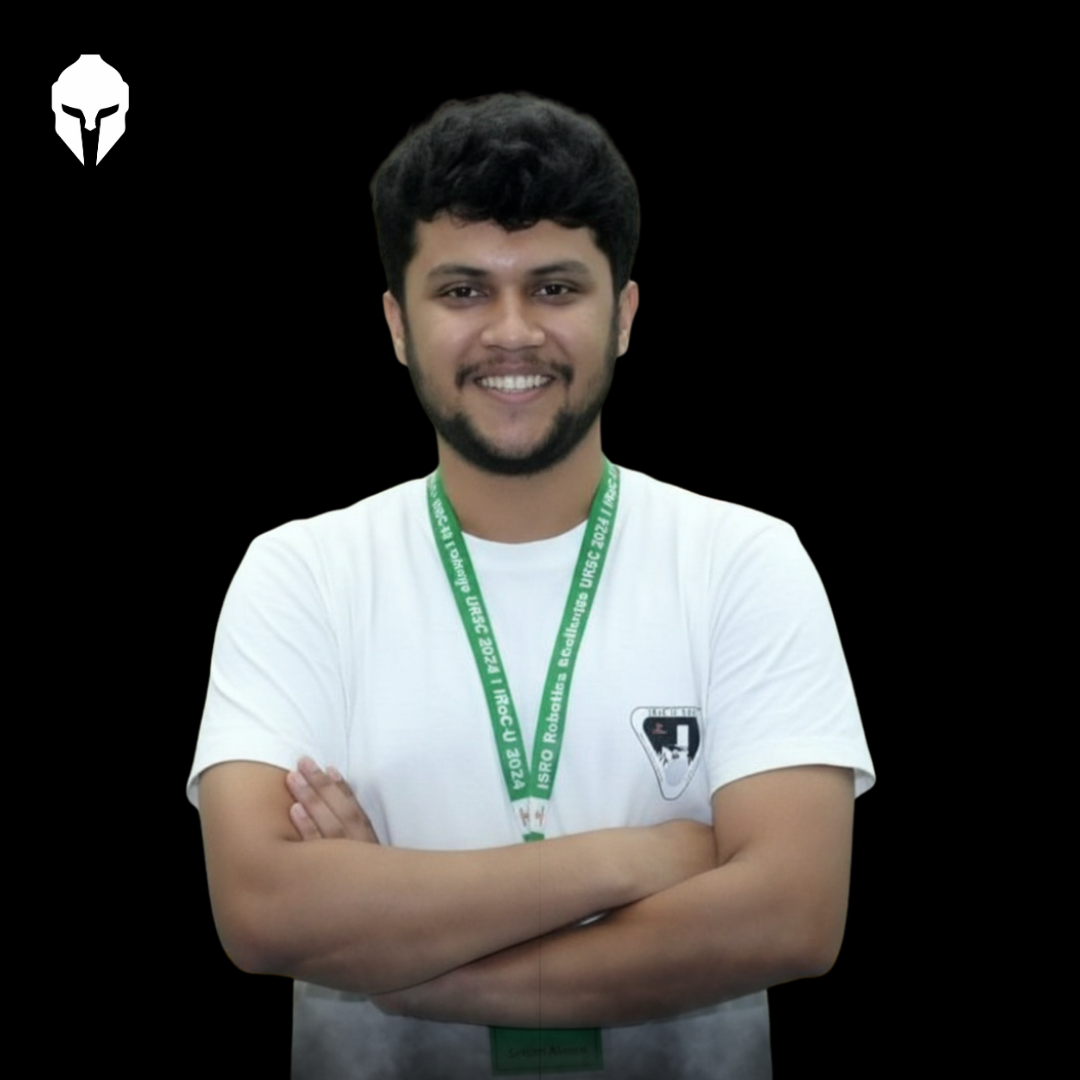
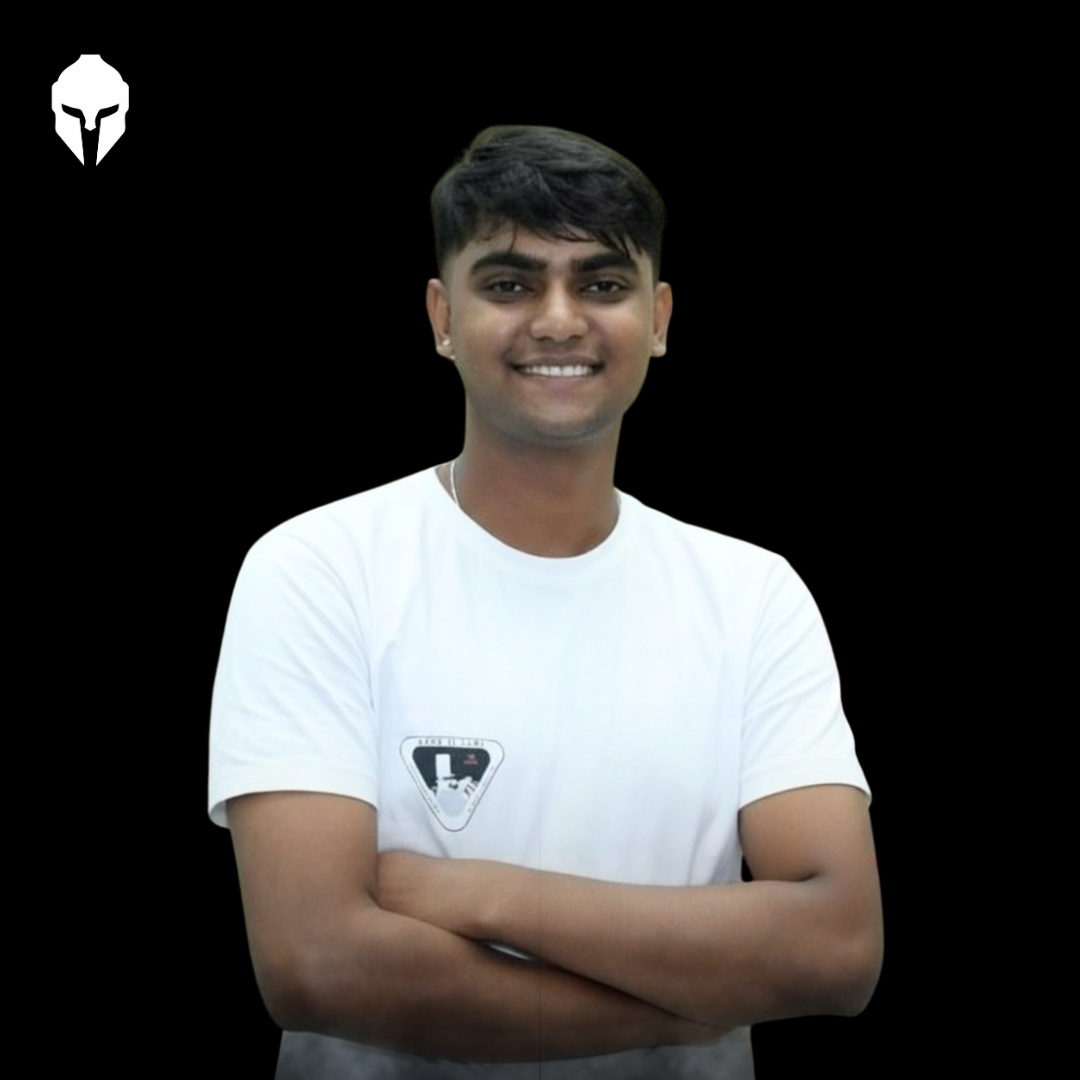
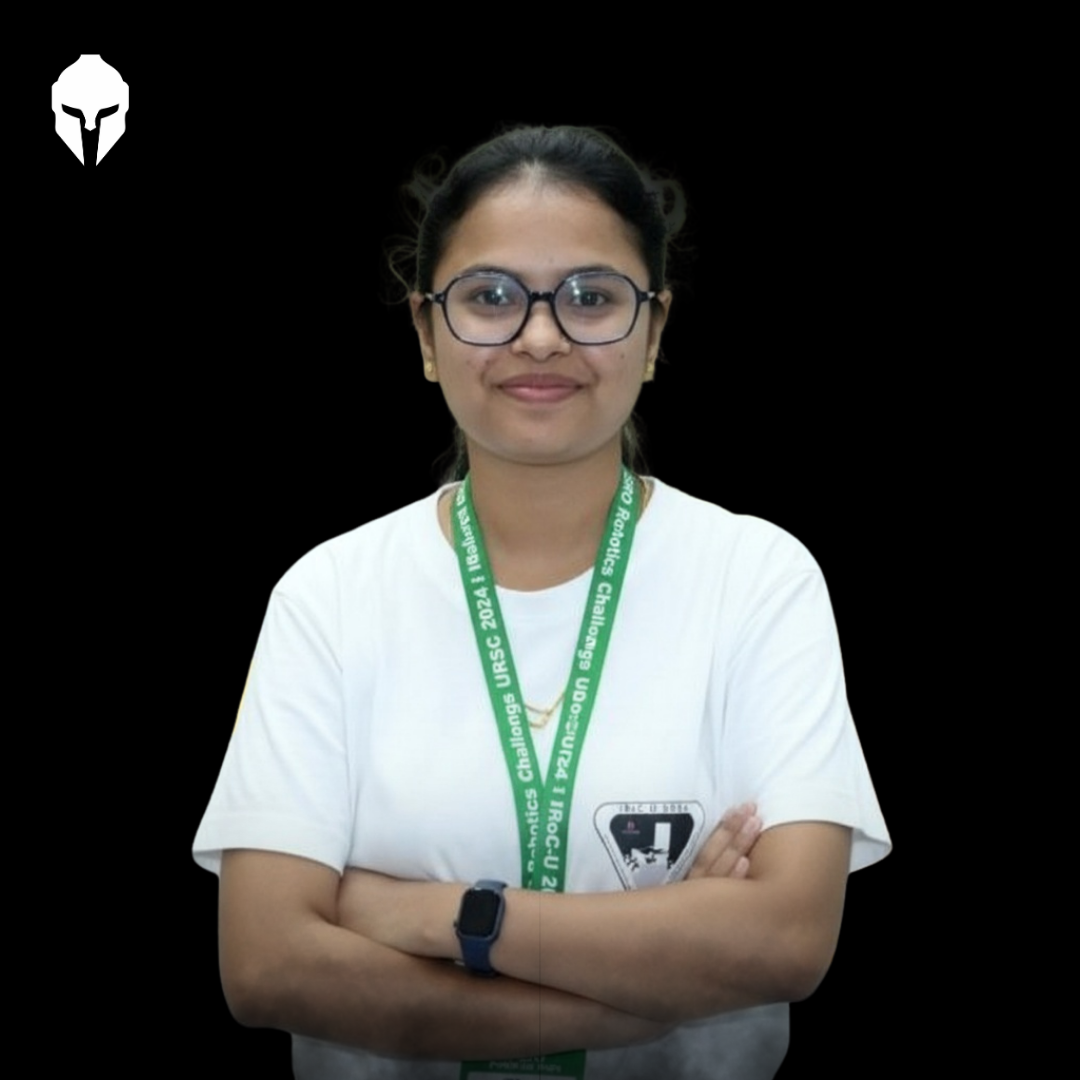
Guided by our mentors — Dr. Sandip Khedkar & Mr. Niket Malusare — and built by the 2024 squad of innovators, engineers and problem solvers who brought GURUtva to life.

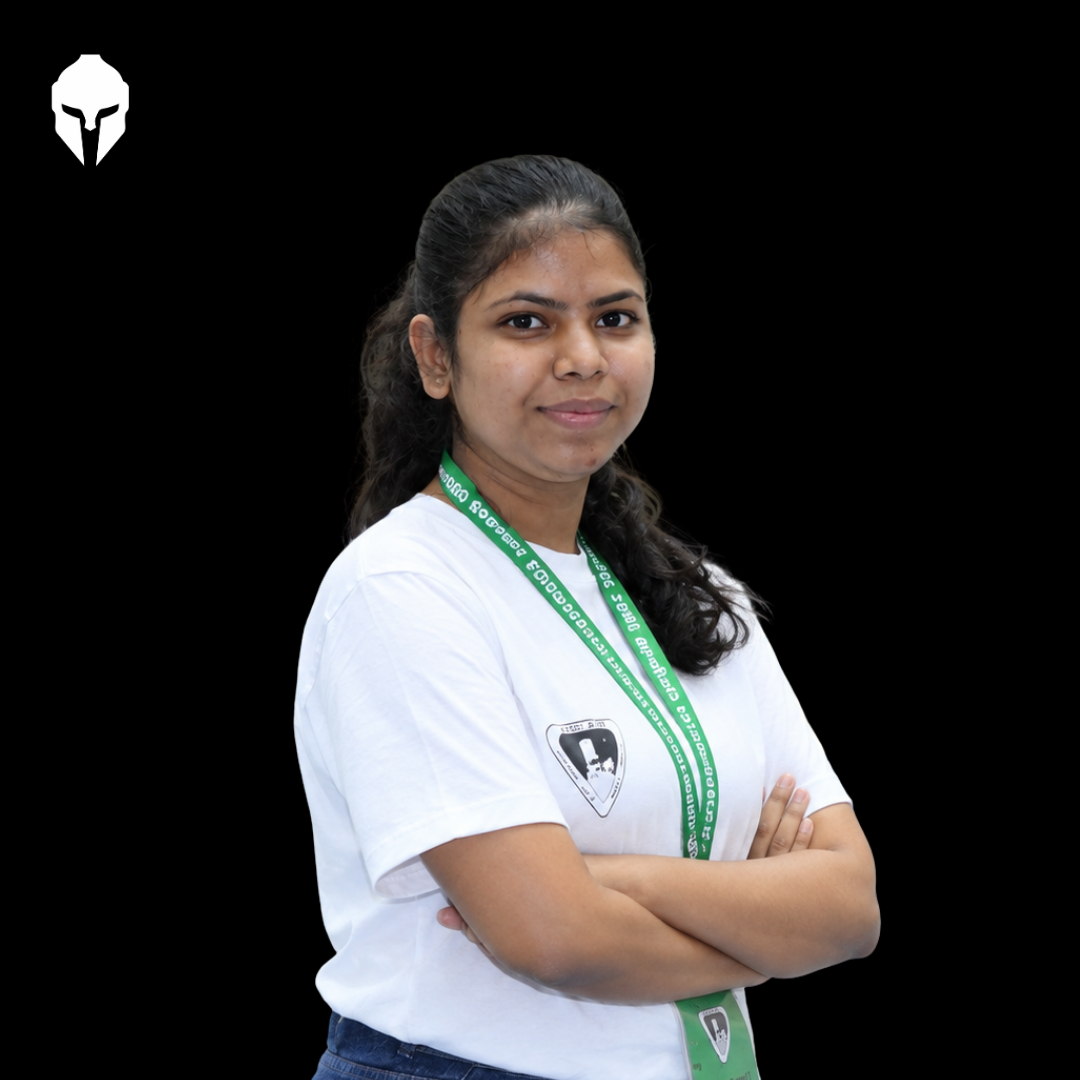
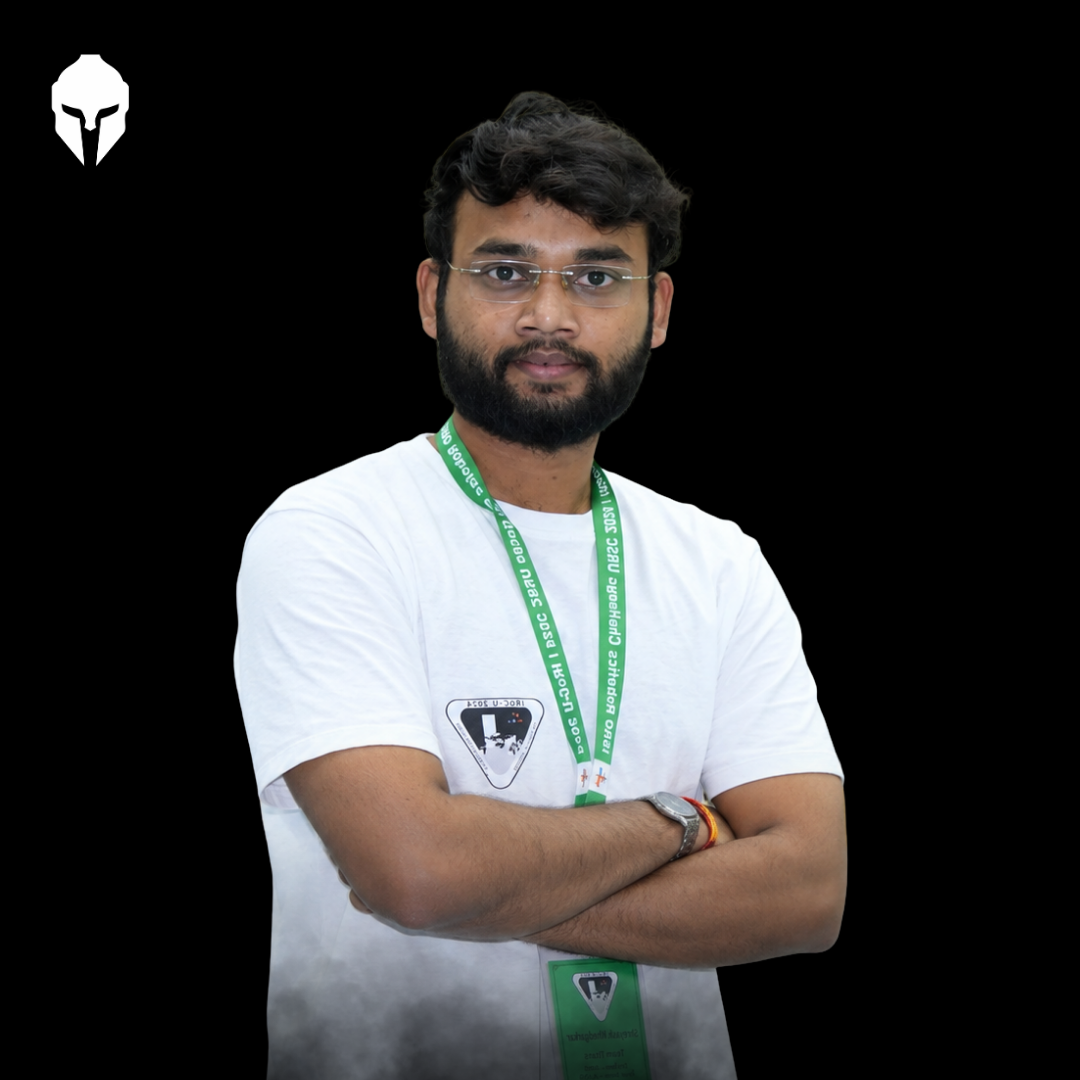
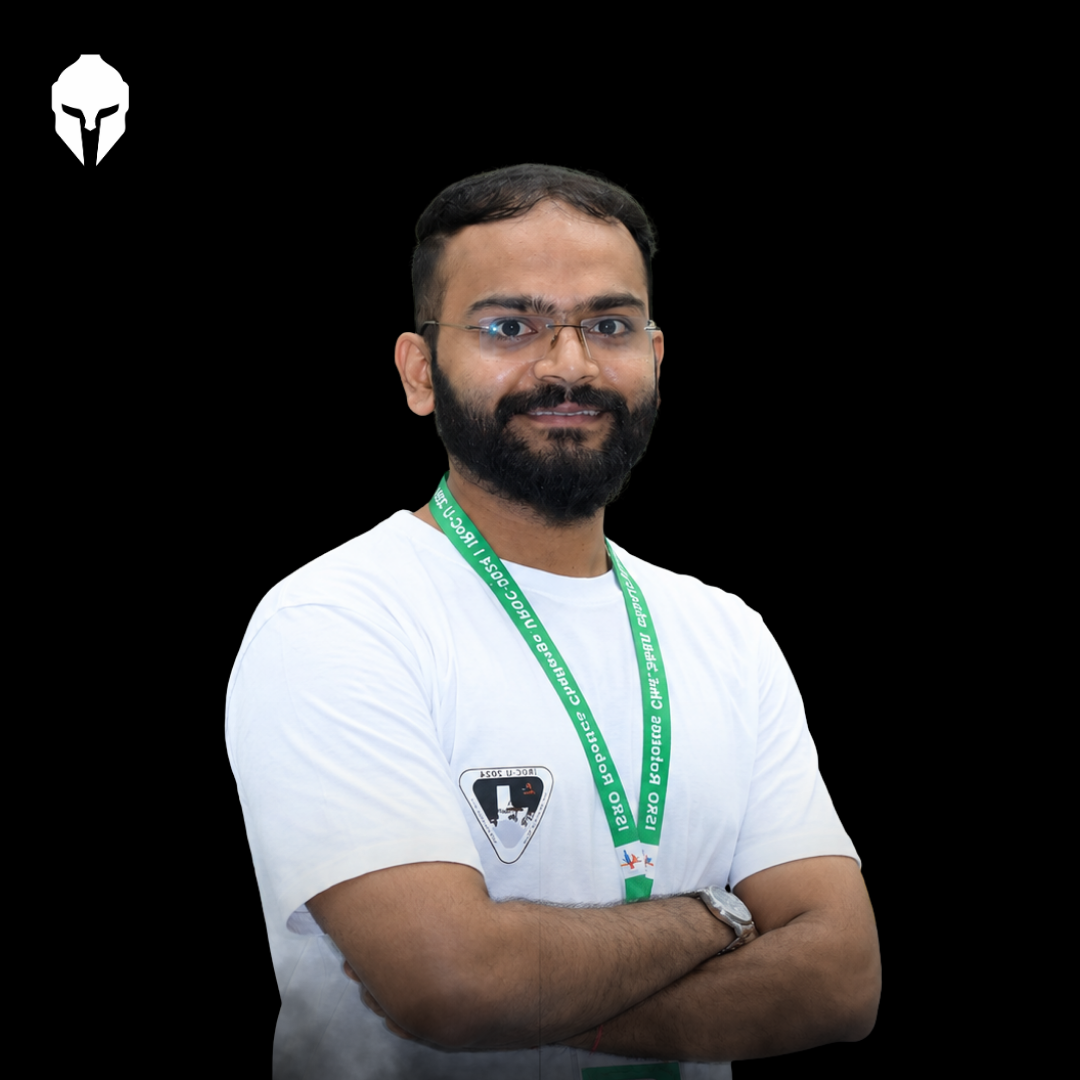
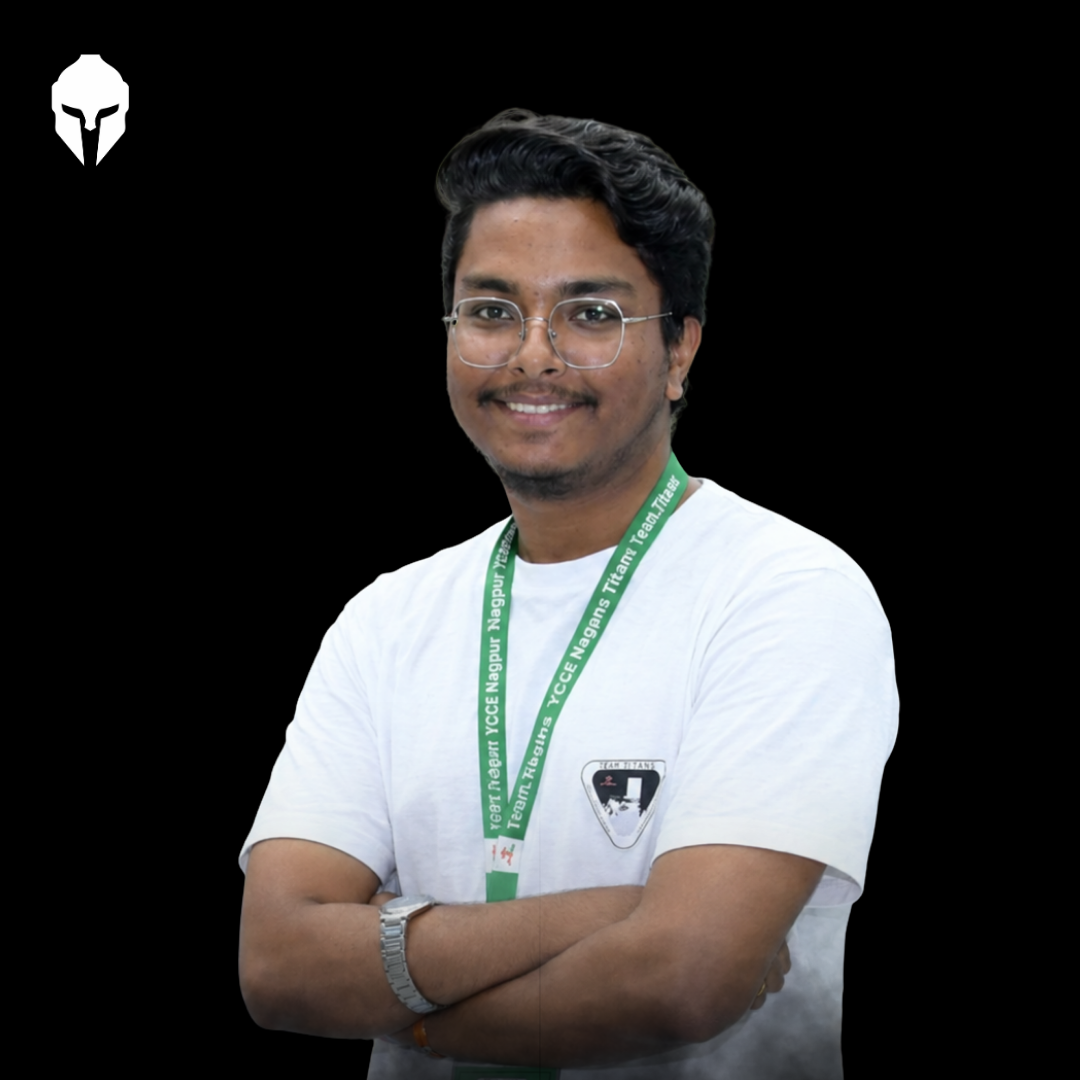
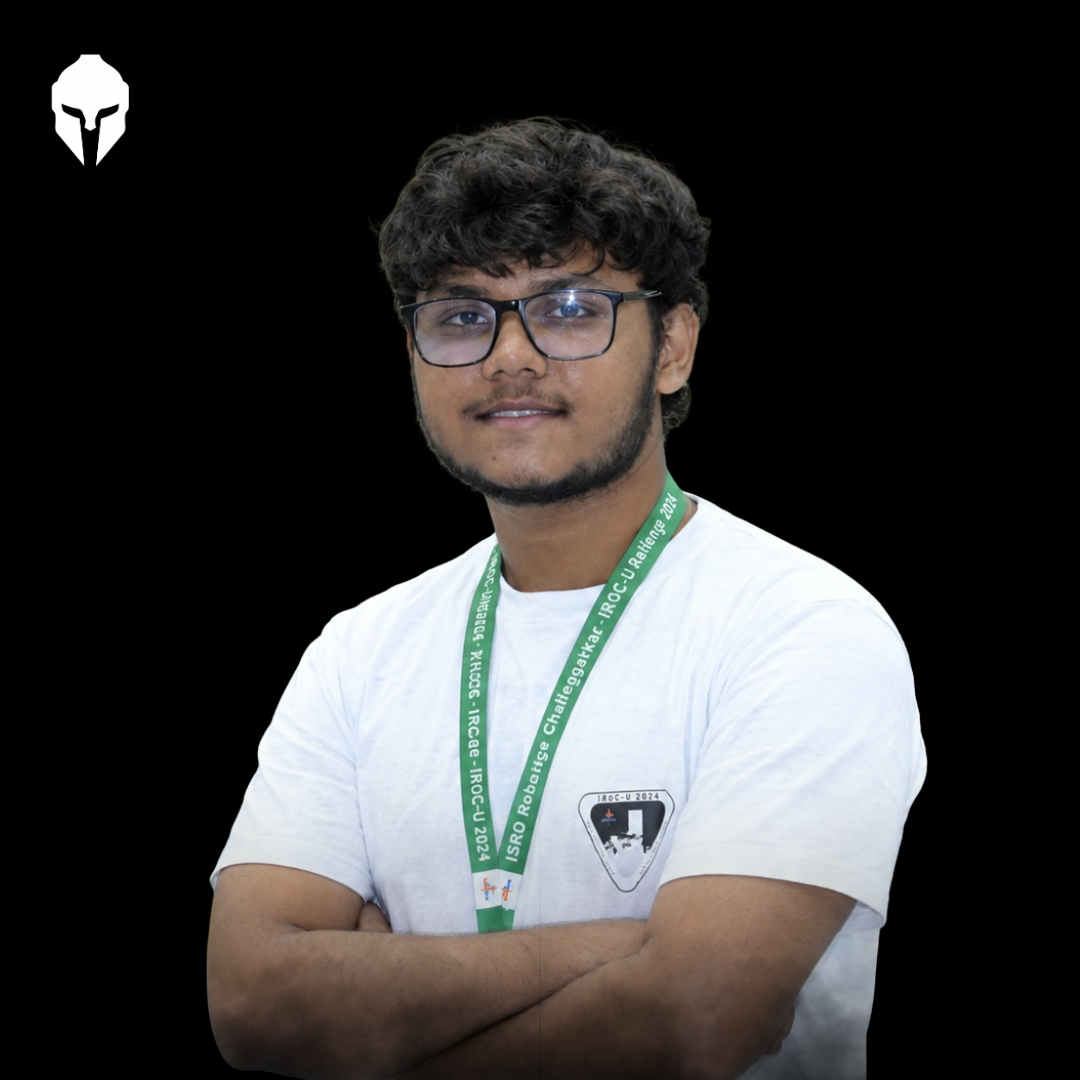
Our first chapter in space robotics began with a rover — and became the foundation of the Titans legacy.