01
Navigate
Fly autonomously across a Mars-like surface with no GNSS, pseudolites or reflector arrays to lean on.


Fly Me to Mars
Our 2025 story of building an autonomous aerial vehicle that finds its own way, with no GPS and no external navigation aids.
IRoC-U 2025 asked students to develop Autonomous Navigation for an Aerial Vehicle (ANAV) for Martian-surface conditions, without GNSS or any external navigation aid. Over 500 participants entered, and only 16 teams reached the finals.
Fly autonomously across a Mars-like surface with no GNSS, pseudolites or reflector arrays to lean on.
Scan and understand the ground below in order to decide where it is safe to go.
Detect a safe landing area, touch down, and complete the return part of the mission.
On Mars, the vehicle has to be its own guide.
With no satellite signal to rely on, every decision to fly, look, land and return had to come from the vehicle itself.
We keep the focus on the bigger picture: a vehicle that can fly, see, decide and return on its own. Detailed design choices stay internal, so this page covers the public view only.
Controlled autonomous flight without external navigation aids.
Real-time terrain scanning as the vehicle moves.
Identify where a safe landing is possible.
Turn what the vehicle senses into actions, onboard and on its own.
Support the return leg and the next stage of the mission.
Keep the system self-reliant, because on Mars nobody can send a signal to help.
The 2025 challenge ran through qualification, a live-evaluated elimination round and a final field round at URSC, Bengaluru, ending with the awards on National Space Day.
Proposal and concept.
Live video-call evaluation.
Selected for the finals.
Final at URSC, Bengaluru.
Awards on 23 Aug 2025.
The vehicle was evaluated in real time over live video calls, with an ISRO scientist on site. That performance earned a place among the top 16 finalists.
On 23 August 2025, the team was felicitated by Dr. Jitendra Singh, Minister of State, Department of Space, and Dr. V. Narayanan, Chairman ISRO.
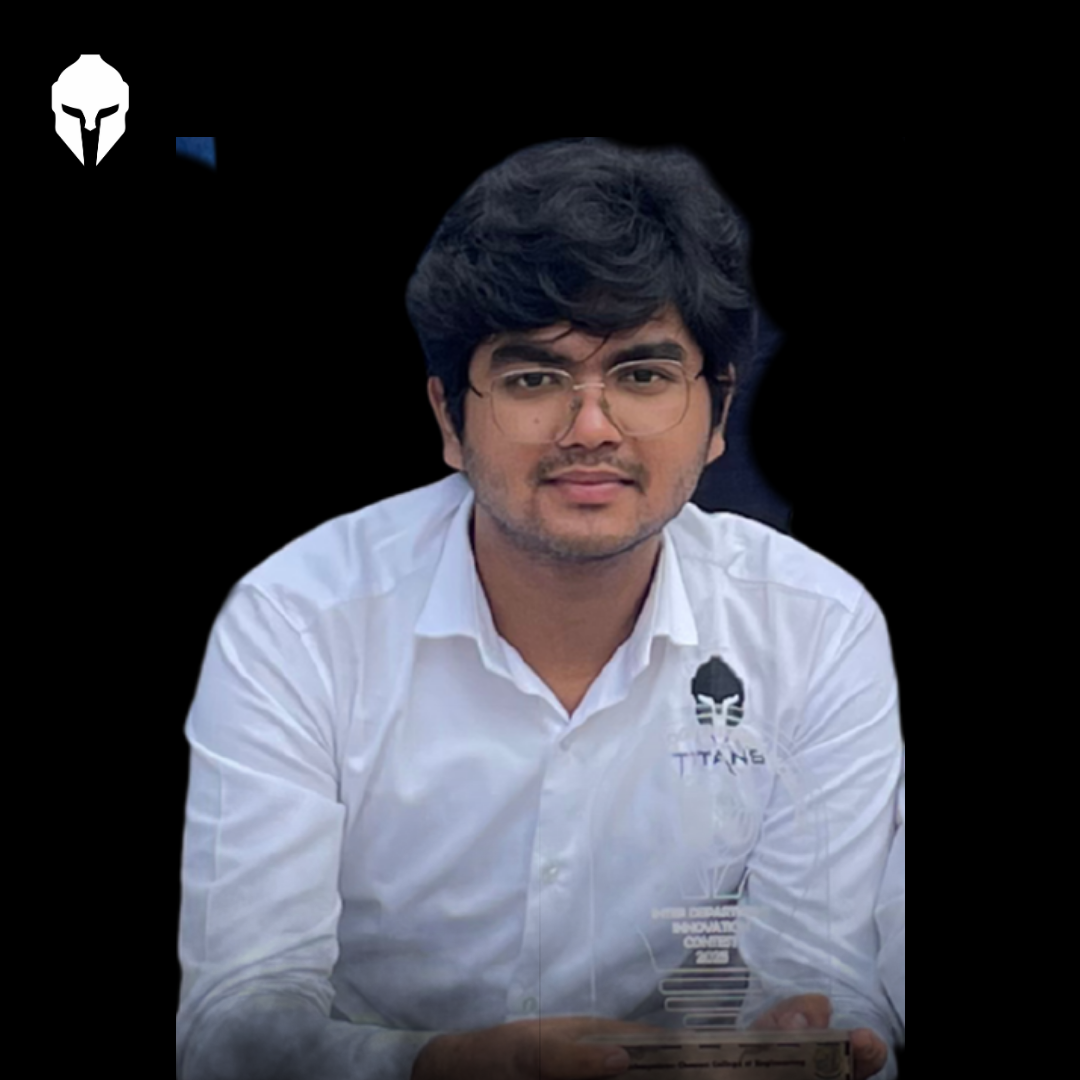
Team Titans secured the 4th Prize with the cash prize of 2,00,000 /- at IRoC-U 2025 under the theme “Fly Me to Mars”, as one of the 16 finalist teams.
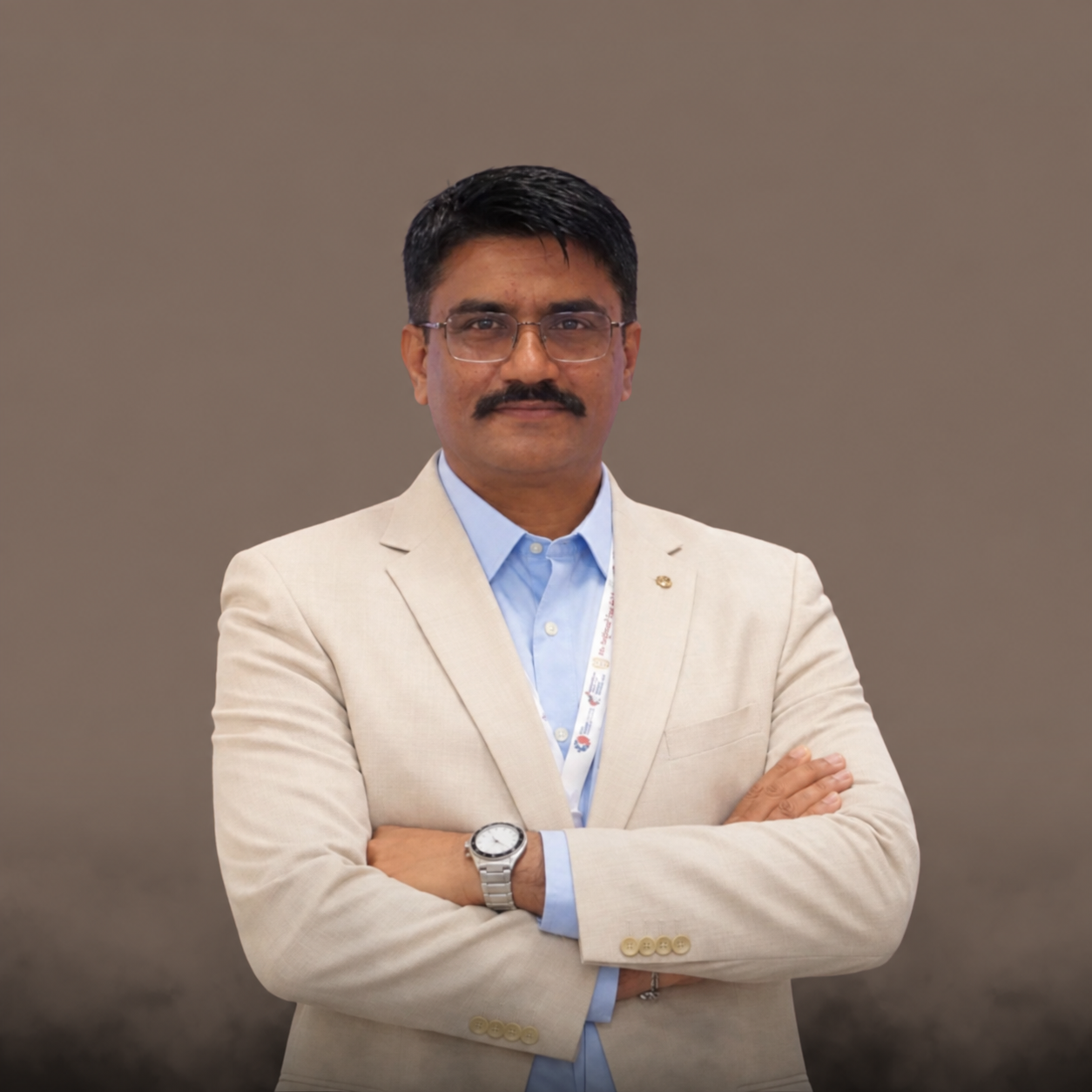
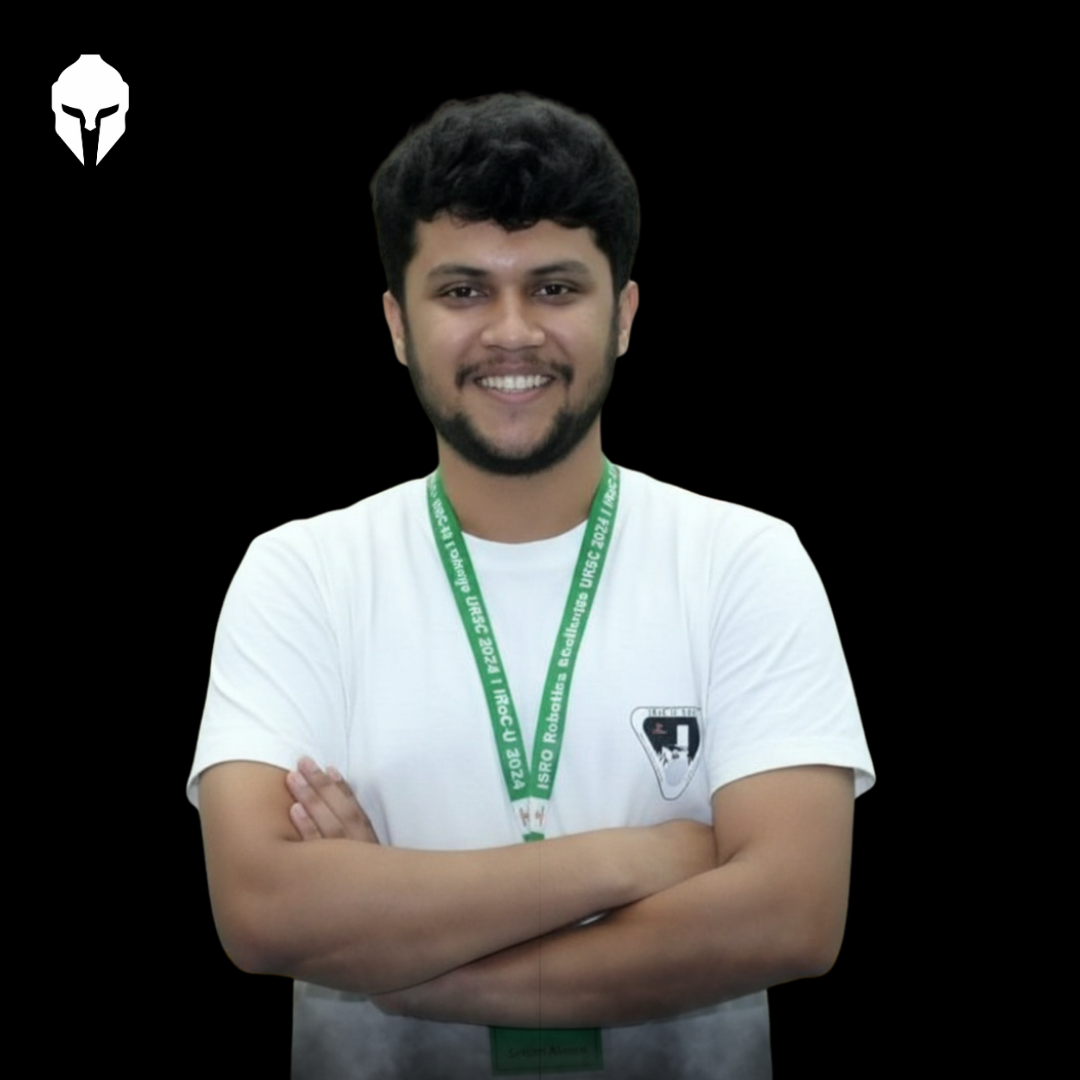
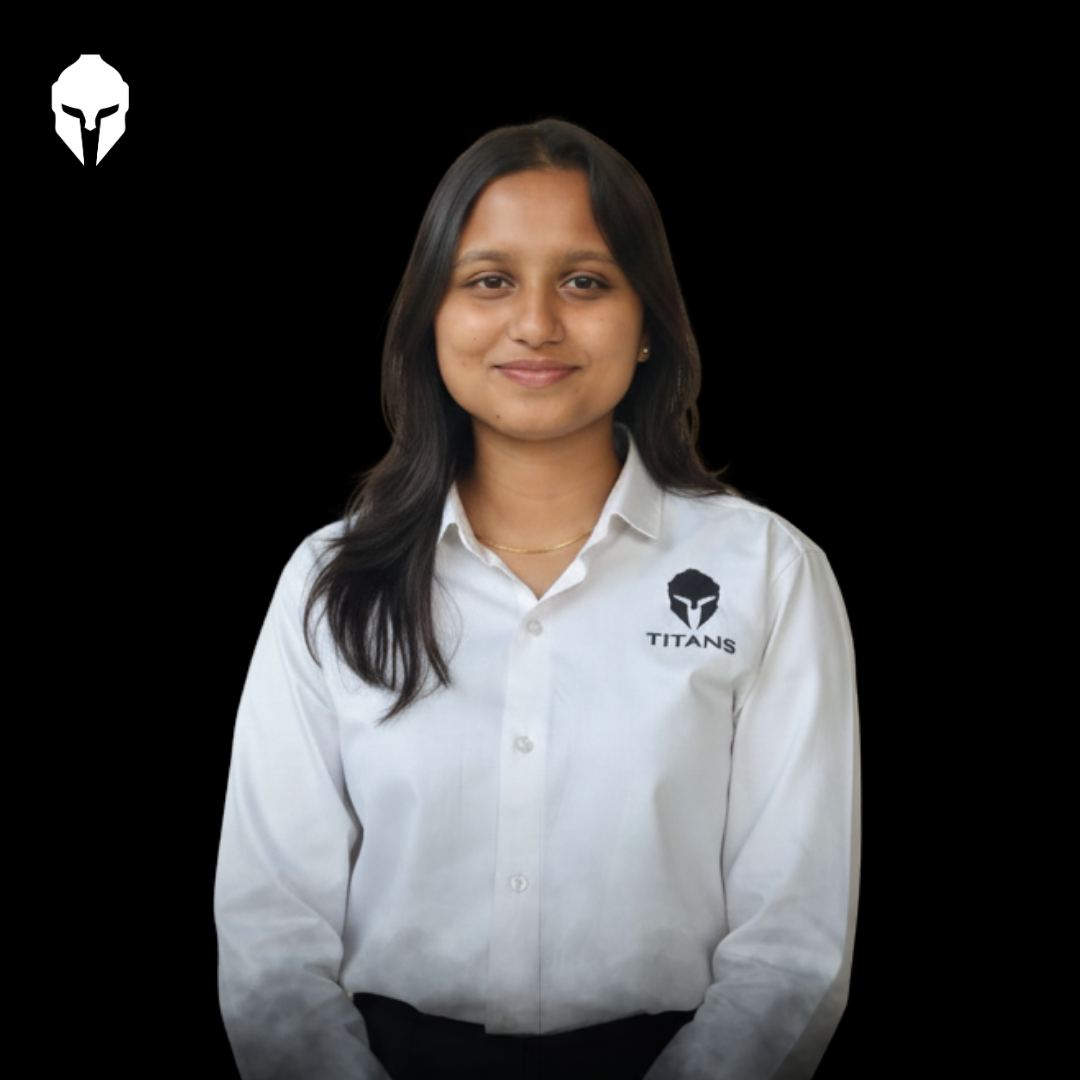
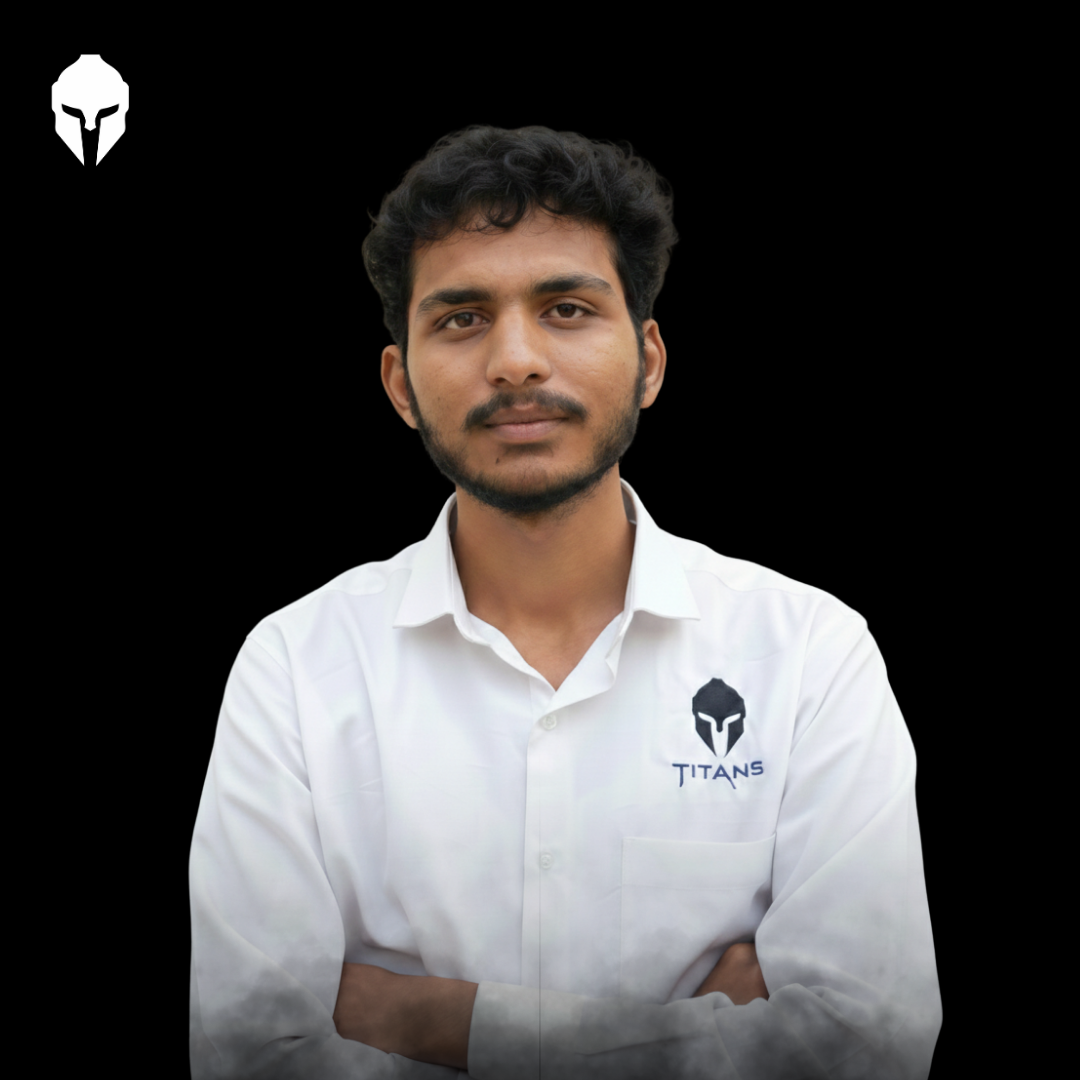
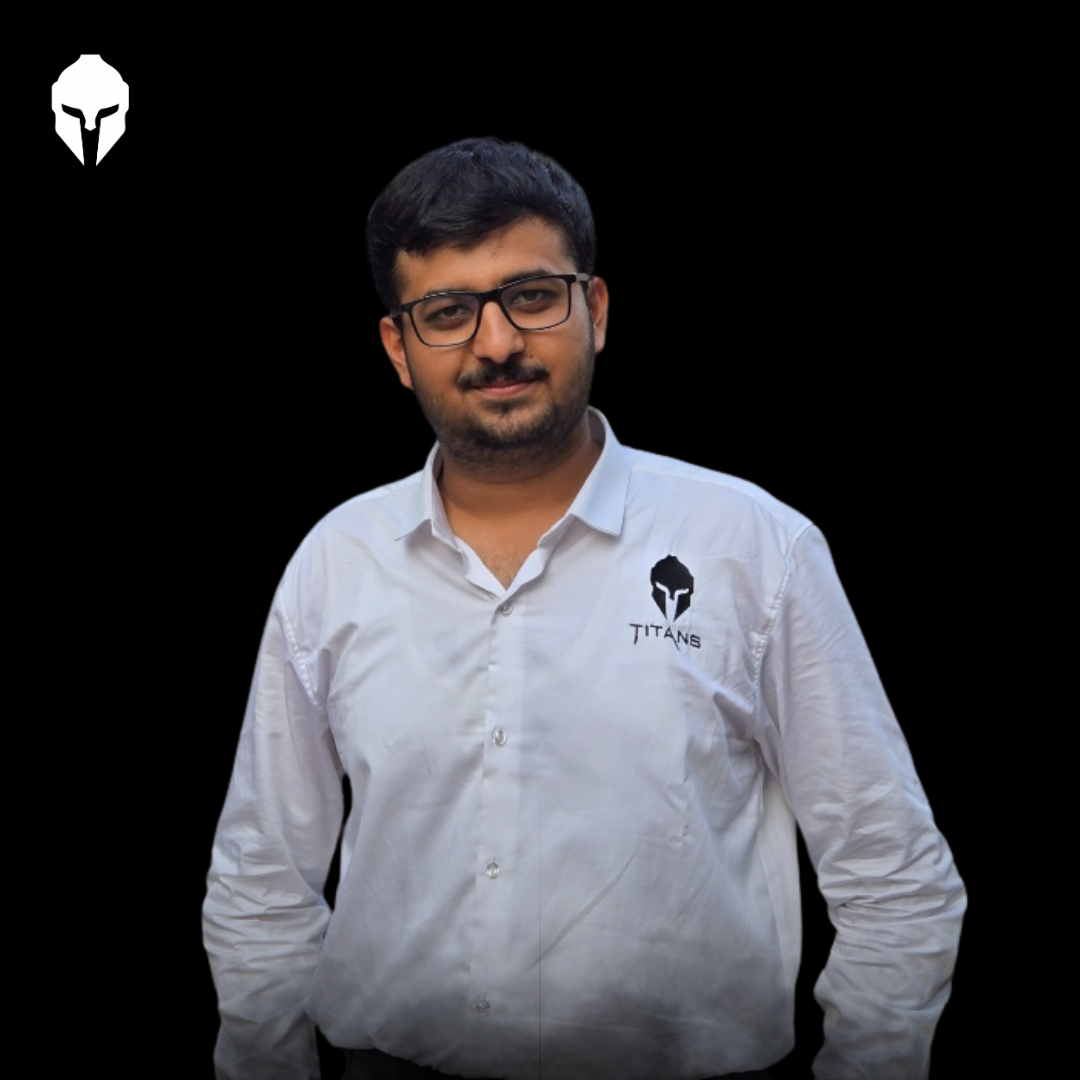
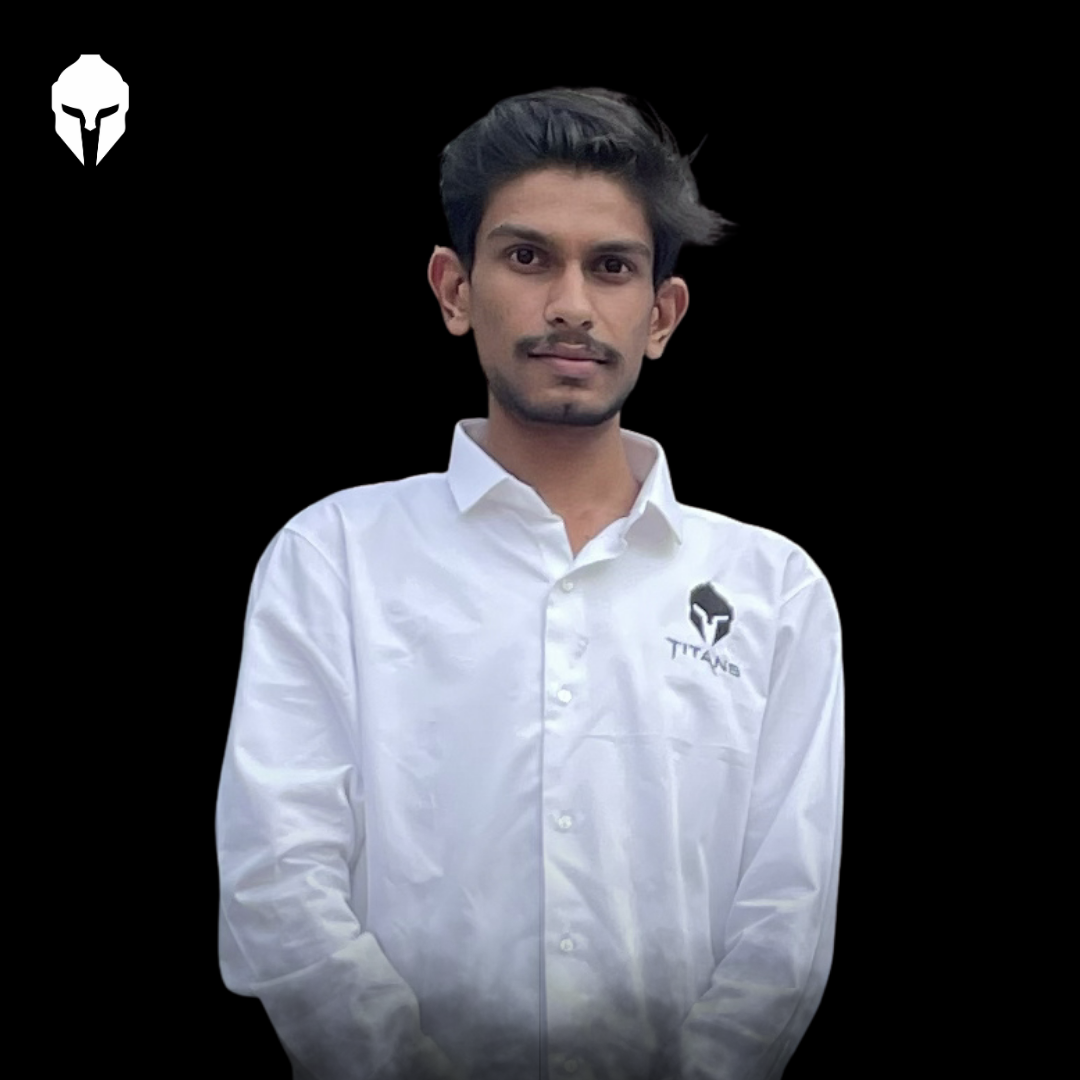
Guided by our mentors — Dr. Sandip Khedkar & Mr. Niket Malusare — and built by the 2025 squad of engineers who took ANAV from concept to the national finals.




We didn’t need a signal from Earth. We built a vehicle that could find its own way.